The Evolving World of Chinese Apps: Innovation, Influence, and Navigating the Digital Frontier
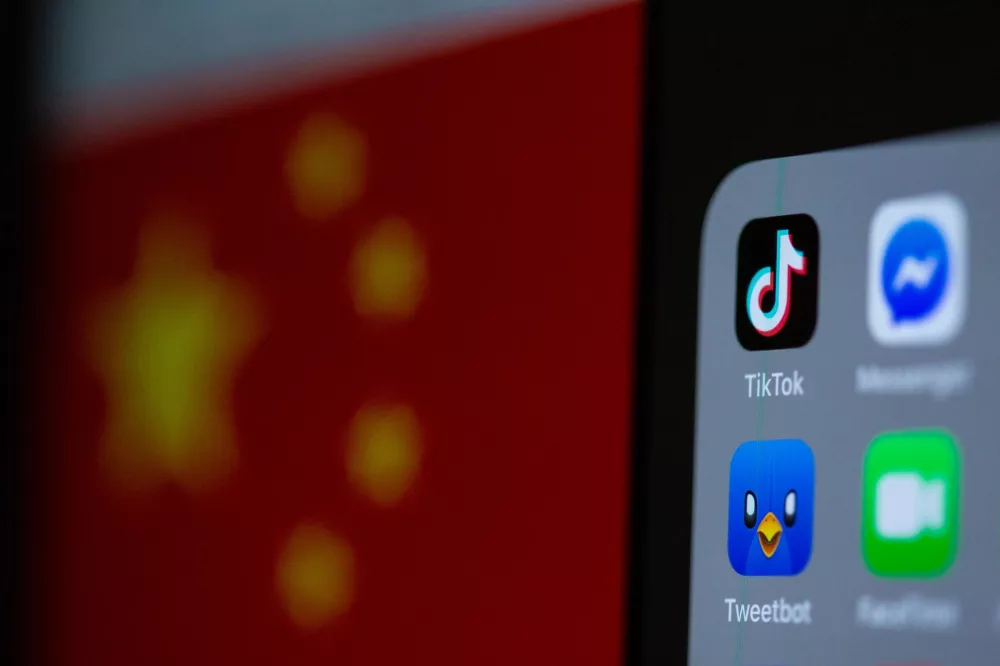
When I look at the landscape of global digital platforms today, one of the most remarkable phenomena is undoubtedly the meteoric rise of Chinese applications. These aren't just niche tools; they've become integral to daily life for billions, offering everything from seamless communication to immersive entertainment and essential financial services. It's a complex picture, really, filled with incredible innovation on one side and significant geopolitical and privacy concerns on the other. I want to share my thoughts and observations on this fascinating, and at times contentious, digital universe.
The Unstoppable Ascent: How Chinese Apps Took Over the World
It wasn't that long ago, relatively speaking, when Chinese tech companies primarily focused on their domestic market. With an enormous population, they had a fertile ground to develop and refine their offerings without necessarily looking outwards immediately. But things changed, didn't they? What I've seen is a rapid evolution, propelled by a unique blend of intense competition, rapid iteration, and a deep understanding of user behavior. Companies like Tencent, Alibaba, and ByteDance didn't just replicate Western models; they often innovated beyond them, creating integrated ecosystems that are frankly unparalleled elsewhere.
Think about WeChat, for instance. For many of us in the West, we have separate apps for messaging, social media, payments, ride-hailing, and ordering food. But in China, WeChat brings so much of that together into one powerful "super-app." It's incredibly convenient, and I have to admit, it makes me wonder if our fragmented app landscape is truly the most efficient. This kind of holistic thinking has been a major driver in their global expansion. They didn't just come out of nowhere; they built a solid foundation at home and then, with TikTok (or Douyin, as it's known domestically), showed the world just how impactful their platforms could be.
A Glimpse into the Digital Powerhouses: What They Offer
Let me break down some of the key areas where Chinese apps have really made their mark:
- Social & Communication: When you talk about social apps, the first ones that often come to mind are WeChat and TikTok. WeChat isn't just a messaging app; it's practically an operating system within an operating system for its users. You can chat, share moments, pay bills, book appointments, and even invest. TikTok, on the other hand, completely revolutionized short-form video content globally. I mean, who hasn't scrolled through a few TikToks when they're supposed to be doing something else? Its algorithm is notoriously good at figuring out what you like, and that's a huge part of its success. Then there's Kuaishou, another major player in short video, showing the depth of this market.
- E-commerce & Lifestyle: The innovation in Chinese e-commerce is genuinely eye-opening. Platforms like Taobao and Pinduoduo aren't just online stores; they've pioneered new shopping experiences. Pinduoduo, with its group-buying model, turned shopping into a social game, which was a brilliant move. And of course, Alipay, from Alibaba's Ant Group, has transformed mobile payments, making cash almost obsolete in many Chinese cities. It's truly amazing how seamlessly these services are integrated into daily life.
- Gaming & Entertainment: If you're a gamer, you've probably encountered Chinese-developed titles, even if you didn't realize it at first. Companies like Tencent are titans in the gaming world, owning stakes in or developing some of the most popular games out there. Think about PUBG Mobile, a global sensation, or the visually stunning and incredibly popular Genshin Impact. These aren't just games; they're massive cultural phenomena, generating billions in revenue and captivating millions of players worldwide.
Innovation at Its Core: Why They Stand Out
What I find particularly striking about many Chinese apps is their relentless pace of innovation and their willingness to experiment. They don't just sit on their laurels; they're constantly updating, adding new features, and refining user experiences based on vast amounts of data and rapid feedback cycles. This isn't just about flashy features; it's about creating incredibly sticky and engaging platforms.
Their deep integration of services, often dubbed the "super-app" model, is a significant differentiator. It minimizes the need to jump between multiple apps, making life simpler for the user. Also, the clever use of AI and data-driven personalization, particularly evident in recommendation engines like TikTok's, keeps users hooked. I've often thought about how effectively they use gamification too, turning mundane tasks or shopping into engaging experiences that encourage more interaction and spending.
The Elephant in the Room: Data, Privacy, and Geopolitics
Now, we can't talk about Chinese apps without addressing the significant concerns around data privacy and national security. This is where the conversation gets a lot more complex, and frankly, it's something I'm always mindful of. My understanding is that, under Chinese law, companies operating within the country are often required to cooperate with government requests for data. This naturally raises eyebrows in other nations, especially regarding the potential for surveillance or data access by the Chinese government.
I've seen how these concerns have directly led to tangible actions, like the bans on certain Chinese apps in countries such as India, and the highly publicized challenges faced by TikTok in the United States. For users, it boils down to trust: Can I be confident that my personal data isn't being improperly accessed or used? For businesses, it's a tightrope walk between tapping into a massive, innovative market and navigating complex regulatory and ethical landscapes. It's a genuine dilemma, and I don't think there are any easy answers. We're all trying to figure out how to balance incredible utility and innovation with the very real need to protect individual privacy and national security.
Economic Ripple Effects: Beyond the Screens
The impact of Chinese apps extends far beyond just our phone screens. Economically, they represent a significant force. They've driven fierce competition in the global tech sector, pushing companies everywhere to innovate faster and integrate services more effectively. Think about how Western social media companies have tried to adapt to the TikTok phenomenon – that's a direct result of this influence.
These companies also represent massive investments, job creation, and a significant portion of global venture capital activity. They're not just consumers of technology; they're huge contributors to its advancement, setting trends in areas like AI, live streaming e-commerce, and mobile payments that then often trickle down or inspire innovation in other markets. It's a dynamic, interconnected global economy, and Chinese tech is an undeniable, powerful player within it.
As I reflect on the journey of Chinese apps, from their domestic dominance to their global expansion and the controversies that have followed, one thing becomes incredibly clear: they are a force to be reckoned with. They offer unparalleled innovation, incredible convenience, and often, highly engaging user experiences that have redefined digital interaction for many of us. At the same time, the questions surrounding data governance, privacy, and geopolitical tensions are legitimate and demand our attention.
For me, navigating this complex digital future means being informed. It's about appreciating the ingenuity while also being critically aware of the potential risks. Whether you're a casual user, a business professional, or just someone curious about the digital world, understanding the nuances of Chinese apps is absolutely essential today. It's not a black-and-white issue; it's a vibrant, ever-changing spectrum that we all need to keep an eye on.
About Editorial Team
Senior columnist and culture critic specializing in architectural designs, emerging high-growth systems, and contemporary philosophies.